
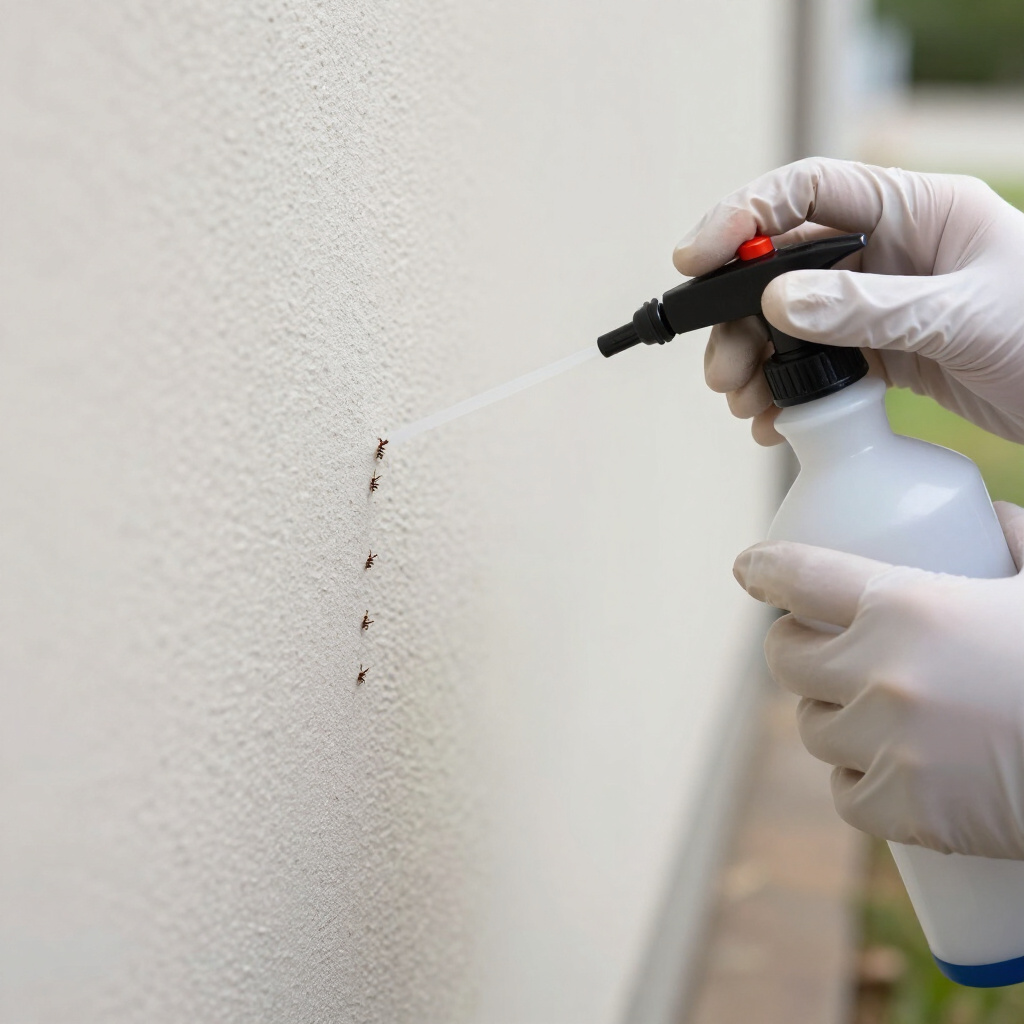

Pest Control Services in Geneva, IL
Geneva sits along the Fox River in Kane County, where historic homes, riverfront properties, and newer subdivisions each face distinct pest challenges. The combination of mature tree canopy, proximity to water, and seasonal temperature swings creates conditions that attract everything from carpenter ants to rodents seeking shelter.
Older neighborhoods near downtown and the river district often deal with pest control for historic homes—foundation gaps, original window frames, and crawl spaces that mice and spiders exploit. Homes in the Sterling Manor, Williamsburg, or Wild Rose areas encounter perimeter invaders like boxelder bugs, Asian lady beetles, and earwigs that pile up against siding in fall.
Our service approach for Geneva properties accounts for Kane County's freeze-thaw cycles, which expand entry points year after year. We inspect basements, garages, and attached patios where pavement ants and camel crickets commonly nest. For river-adjacent properties, mosquito and tick treatments target shaded breeding zones along fence lines and drainage swales.
Whether you manage a retail space on State Street or a residence near Peck Farm Park, we tailor treatment schedules to Geneva's growing season—typically March through November with winter rodent monitoring.
Common Pests in Geneva
- Carpenter ants — Nest in damp or decaying wood, common near riverfront properties and mature landscaping
- Mice and rats — Enter through foundation cracks, especially in older homes and during October-November cold snaps
- Boxelder bugs and Asian lady beetles — Mass on south-facing walls in autumn, invading through window gaps
- Mosquitoes — Thrive near the Fox River, retention ponds, and shaded yards with poor drainage
- Spiders — Brown recluse and house spiders favor basements, storage areas, and less-trafficked corners
- Wasps and hornets — Build paper nests under eaves, deck overhangs, and in ornamental trees
Where We Serve in Geneva
We provide pest control throughout Geneva's neighborhoods and surrounding unincorporated Kane County areas, including:
- Downtown Geneva / Historic District
- Sterling Manor and Williamsburg subdivisions
- Wild Rose and Mill Creek areas
- Forest Glen and Sheridan Woods
- Properties near Fabyan Forest Preserve and Peck Farm
- Commercial corridors along Randall Road and State Street
Frequently Asked Questions About Pest Control in Geneva
How do Geneva's historic homes affect pest control treatments?
Many Geneva homes date to the 1800s and early 1900s, with stone foundations, balloon framing, and original windows that create more entry points than modern construction. We use lower-pressure application methods, focus on interior baiting and monitoring, and seal accessible gaps without altering historic character. These properties often benefit from quarterly service rather than standard bi-monthly plans.
Are Fox River properties more prone to mosquito problems?
Yes. Geneva's river-adapted landscape includes shaded floodplains, drainage ditches, and standing water after heavy rains. Mosquitoes travel roughly 300 feet from breeding sites, so river-adjacent homes typically need more frequent barrier treatments—every 14-21 days during peak season versus monthly for inland properties.
When should Geneva homeowners start preventive pest control?
March is ideal for Geneva's climate. Ant colonies become active when soil temperatures reach 50°F consistently, usually mid-to-late March. Starting treatment before colonies establish prevents the carpenter ant and pavement ant issues that peak in May and June. Fall treatments in September-October target invading rodents and overwintering insects before they enter structures.
Do you treat commercial properties on Geneva's State Street?
Yes. We service restaurants, retail shops, office buildings, and multi-unit properties throughout Geneva's commercial districts. Downtown locations require discrete service timing, documentation for health inspections, and protocols that account for pedestrian traffic and shared building walls. We coordinate treatments around business hours to minimize disruption.