

Every season brings its own charm—blooming flowers in spring, warm sunsets in summer, colorful leaves in fall, and cozy nights in winter. Unfortunately, each season also brings its own lineup of unwanted visitors. Ants marching across your kitchen counter, wasps building nests under your eaves, rodents seeking warmth in your attic—these aren't just annoyances. They can damage your home, contaminate your food, and even threaten your family's health. The good news? With a proactive seasonal pest control checklist, you can stay one step ahead of these invaders year-round. Here's your complete guide to keeping your home protected through every season.
Spring: Awakening Pests and Prevention Priorities
As temperatures rise and dormant landscapes burst back to life, pests emerge from their winter hiding spots with voracious appetites and reproductive energy. This is the critical season to establish your defensive perimeter before populations explode.
Start your spring pest control checklist with a thorough exterior inspection. Examine your foundation for cracks and gaps as small as a quarter-inch—mice can squeeze through openings the width of a pencil. Check window screens for tears, repair loose weatherstripping, and ensure door sweeps make complete contact with thresholds. Clean gutters clogged with winter debris, as standing water becomes a mosquito breeding ground within days.
Inside, focus on moisture control. Fix leaky faucets, running toilets, and condensation issues under sinks. Spring rains drive ants, silverfish, and cockroaches toward damp interior spaces. Store pantry items in airtight glass or hard plastic containers rather than original cardboard packaging, which pantry moths and beetles can penetrate.
Your yard demands attention too. Trim shrubs and tree branches at least 18 inches from your home's exterior walls and roofline—this eliminates natural bridges for ants, squirrels, and roof rats. Remove leaf litter and mulch volcanoes around your foundation, replacing with crushed stone barriers where possible. If you spotted wasp activity last year, inspect eaves and overhangs early; queen wasps establish new colonies in spring, and early nest removal prevents larger problems.
Summer: Peak Activity and Vigilant Maintenance
Summer represents the height of pest pressure. Warm temperatures accelerate breeding cycles, and extended daylight hours mean more foraging time. Your seasonal pest control checklist must shift toward active monitoring and rapid response.
Mosquito management becomes paramount. Eliminate standing water weekly—birdbaths, pet bowls, kiddie pools, saucers under potted plants, even bottle caps can harbor larvae. Consider installing battery-operated mosquito traps or professional-grade barrier treatments for heavily wooded properties. Wear EPA-registered repellents when gardening at dawn and dusk.
Stinging insects reach peak aggression in late summer as colony populations max out food supplies. Inspect play equipment, sheds, and rarely used structures for paper wasp nests and ground-nesting yellowjackets. Never attempt removal of large established colonies yourself; professional intervention protects you from dangerous multiple stings.
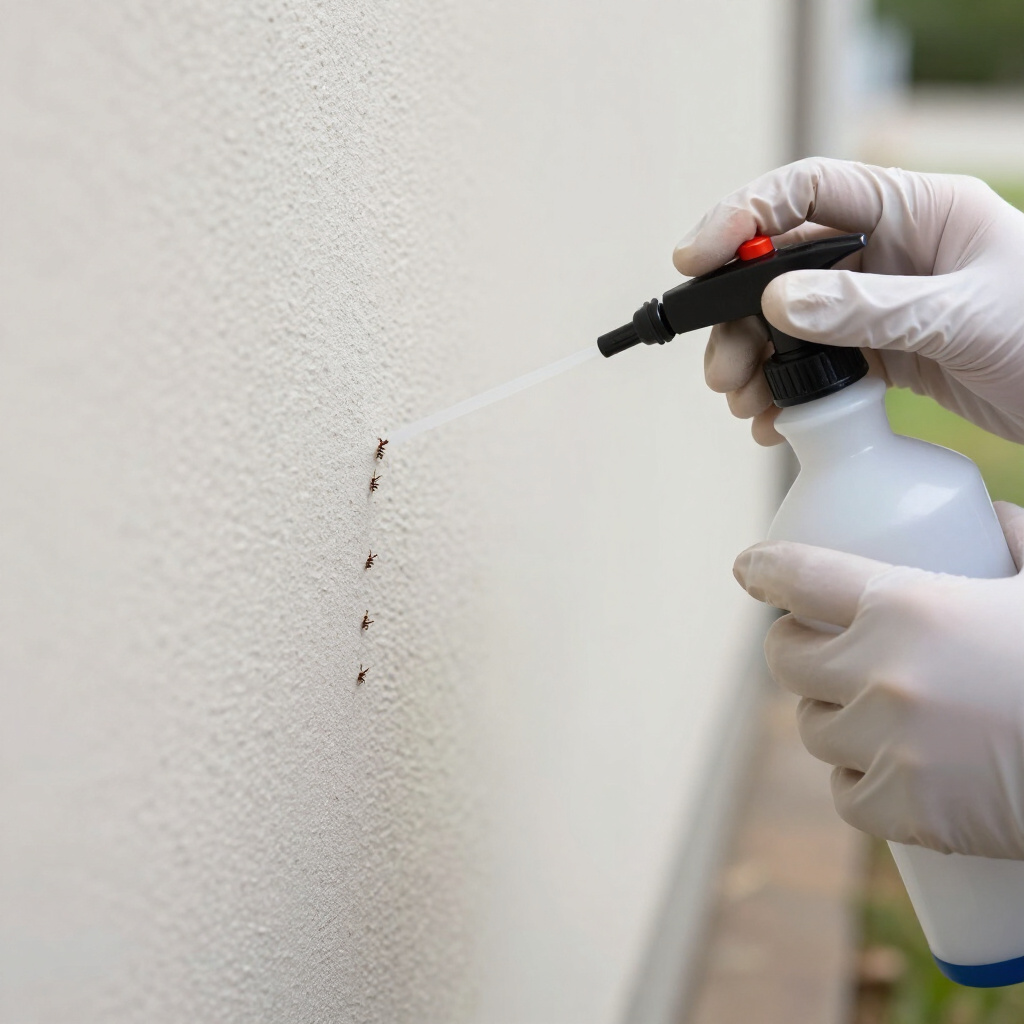
Ant trails appear with frustrating regularity during summer droughts when natural food sources dry up. Wipe trails with soapy water to disrupt pheromone highways, then identify and seal entry points. Resist over-the-counter spray insecticides that scatter colonies and create multiple new nests—baits work more effectively by allowing workers to share toxic food with the entire colony including the hidden queen.
Don't overlook summer travelers either. Bed bugs hitch rides on luggage, furniture, and clothing. Inspect hotel rooms before settling in, launder vacation clothing immediately upon return, and never place suitcases on beds or upholstered furniture.
Fall: Preparing Your Fortress Before the Chill
As days shorten and temperatures drop, pests sense winter approaching. Your fall seasonal pest control checklist focuses on exclusion—making your home inhospitable to overwintering invaders seeking shelter.
Stink bugs, boxelder bugs, lady beetles, and cluster flies represent the most common fall home invaders in many regions. These insects don't reproduce indoors but create significant nuisance issues when hundreds or thousands aggregate in wall voids and emerge confused on warm winter days. Seal exterior cracks with quality silicone caulk, install fine mesh screens over attic vents and chimney openings, and repair damaged soffits promptly.
Rodent pressure intensifies dramatically in fall. Mice and rats require only tiny gaps to access your warm, food-rich interior. Seal utility penetrations with steel wool and expandable foam, install door sweeps on garage and basement doors, and store firewood at least 20 feet from your home—woodpiles serve as rodent condominiums.
Perform final yard cleanup with pest prevention in mind. Rake and remove fallen leaves that shelter ticks, mosquitoes, and overwintering insects. Cut back perennials and dispose of diseased plant material rather than composting. Drain and store garden hoses, and shut off exterior water supplies to prevent pipe damage that creates moisture attractions.
Inside, declutter storage areas where rodents nest. Transfer holiday decorations from cardboard to plastic bins with tight lids. Clean kitchen exhaust hood filters and inspect behind appliances for accumulated food debris that sustains winter cockroach populations.
Winter: Monitoring and Strategic Planning
Pest activity slows but doesn't stop in winter. Your seasonal pest control checklist pivots to indoor vigilance and preparation for the coming year.
Inspect attics and basements monthly for rodent signs—droppings, gnaw marks, shredded nesting material, or greasy rub marks along beams. Listen for scratching or scurrying sounds, particularly at dawn and dusk. Set traps along suspected travel routes, using peanut butter or chocolate as bait rather than cheese. Check traps regularly; deceased rodents attract insect secondary pests if neglected.
Monitor for overwintering insects emerging from wall voids on sunny winter days. Vacuum individual invaders promptly and dispose of the bag outside. Resist spraying indoors where chemicals provide limited benefit against hidden populations and may contaminate living spaces.
Schedule your annual professional pest inspection during winter lulls. Technicians can identify vulnerabilities you missed, assess termite monitoring stations, and develop customized prevention strategies before spring activity resumes. Many companies offer preseason discounts for proactive winter scheduling.
Use quieter winter months to research and implement structural improvements. Install chimney caps, repair foundation vents, upgrade to pest-resistant crawl space encapsulation, or plan landscaping modifications that reduce future pest pressure. Document what worked and what failed this past year to refine your approach.
Key Tips for Year-Round Success
Certain principles transcend individual seasons on any effective seasonal pest control checklist. Consistency matters more than intensity—small regular efforts prevent overwhelming infestations requiring drastic intervention.
Maintain detailed records of pest sightings, treatments applied, and professional service dates. Patterns emerge over time: perhaps ant invasions consistently follow heavy rains, or stink bugs appear each October regardless of weather. This intelligence allows predictive rather than purely reactive management.
Understand your local pest ecology. Coastal homeowners battle different adversaries than those in arid Southwest regions or humid Southeast environments. Your county extension office provides geographically specific guidance on emerging threats and timing of regional pest life cycles.
Balance DIY efforts with professional expertise appropriately. Homeowners can successfully manage many routine prevention tasks, but recognize limitations. Termite infestations, bed bug eliminations, extensive wasp nest removals, and stubborn rodent problems typically require licensed professionals with specialized equipment and training. Attempting dangerous DIY solutions risks personal injury, property damage, and treatment failures that ultimately cost more than professional service would have.
Finally, embrace integrated pest management principles. This approach combines biological understanding, habitat modification, physical exclusion, and judicious chemical use rather than relying solely on pesticides. It's more sustainable, often more effective long-term, and protects beneficial insects and environmental health.
Final Thoughts
A well-executed seasonal pest control checklist transforms pest management from crisis response to calm prevention. By aligning your efforts with natural pest cycles—excluding in fall, monitoring in winter, cleaning in spring, and maintaining in summer—you create multiple layers of protection that pests struggle to penetrate.
Remember that your home represents a significant investment, and consistent pest prevention protects both its structural integrity and your family's wellbeing. Start implementing these seasonal strategies today, and you'll spend less time battling invaders and more time simply enjoying your home through every beautiful season.