
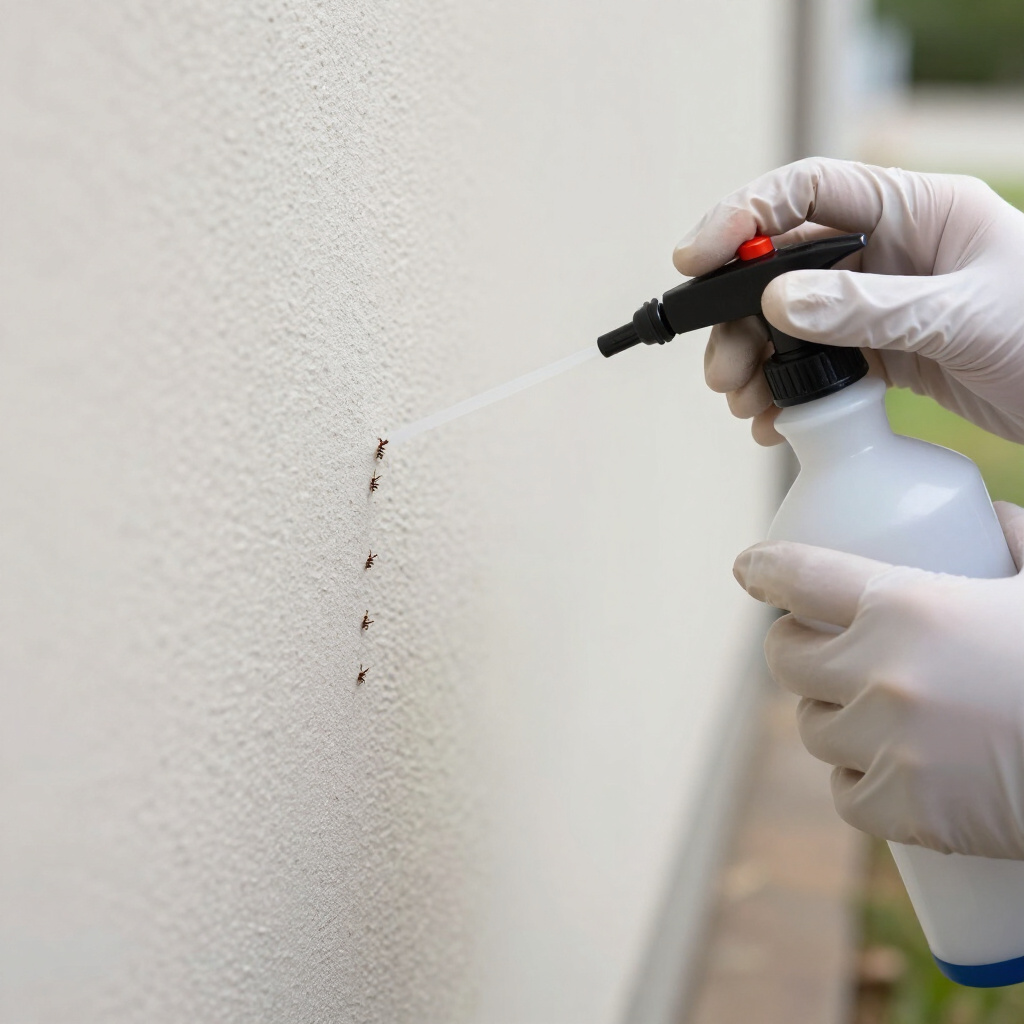

When ants march across your kitchen counter or aphids cluster on your tomato plants, reaching for a chemical spray might feel like the quickest fix. But many homeowners are discovering that natural pest control methods can be just as effective—without the harsh fumes, toxic residues, or worries about children and pets. The key is knowing which approaches actually deliver results and how to apply them strategically. Whether you're dealing with indoor invaders or garden pests, these proven techniques can help you reclaim your space safely and effectively.
Natural Pest Control Methods That Actually Work in Your Home
Your kitchen and pantry already hold powerful pest-fighting ingredients. The trick is using them correctly and consistently.
White vinegar solutions disrupt the scent trails that ants use to navigate. Mix equal parts water and white vinegar in a spray bottle and apply along baseboards, windowsills, and entry points. This won't kill ants on contact, but it confuses their communication system and discourages return visits. For best results, clean surfaces first—residue from spills attracts pests in the first place.
Essential oils offer another line of defense. Peppermint oil repels spiders and mice, while tea tree and eucalyptus oils deter various insects. Create a spray by adding 15-20 drops to a cup of water with a teaspoon of witch hazel as an emulsifier. Reapply every few days, as the scent fades. Note that essential oils can be harmful to cats, so use caution if you have feline family members.
Food-grade diatomaceous earth deserves special attention. This powdery substance, made from fossilized algae, damages the exoskeletons of crawling insects like ants, roaches, and fleas, causing them to dehydrate. Sprinkle a thin layer in areas where pests travel—behind appliances, under sinks, and along basement foundations. Always choose food-grade quality, and wear a mask during application to avoid inhaling the fine dust.
For fruit fly infestations, a simple apple cider vinegar trap works remarkably well. Pour a half-inch of vinegar into a jar, add a drop of dish soap to break surface tension, and cover with plastic wrap poked with small holes. The flies enter but cannot escape. Place several traps near problem areas and refresh weekly.
Proven Natural Solutions for Garden Pests
Your outdoor growing space presents different challenges, but the natural arsenal is equally robust.
Neem oil stands out as one of the most versatile organic treatments. Extracted from the neem tree, this oil interferes with insect feeding and reproduction. It effectively controls aphids, whiteflies, spider mites, and many beetle species. Apply as a foliar spray in early morning or evening to avoid leaf burn, and repeat every 7-14 days during active pest pressure. Neem oil also has low toxicity to beneficial insects once dry, making it compatible with integrated pest management approaches.
Companion planting leverages natural plant relationships to reduce pest problems. Marigolds release compounds from their roots that repel nematodes, while their strong scent confuses many flying insects. Nasturtiums act as trap crops, drawing aphids away from your vegetables. Basil planted near tomatoes may help repel flies and mosquitoes. This method requires planning and patience but builds long-term garden resilience.
Physical barriers remain underrated in natural pest control. Floating row covers exclude cabbage moths, carrot rust flies, and other flying pests without any sprays. Copper tape around raised beds creates a mild electric charge that deters slugs and snails. Handpicking larger pests like tomato hornworms or Japanese beetles—dropped into soapy water—provides immediate relief and helps you monitor population levels.
Beneficial insects serve as living pest control. Ladybugs consume vast quantities of aphids, while lacewing larvae prey on mites, thrips, and caterpillar eggs. Parasitic wasps, though tiny and harmless to humans, lay eggs inside pest insects. Attract these allies by planting diverse flowering species—yarrow, dill, fennel, and cosmos provide nectar and habitat. Avoid broad-spectrum treatments that would harm these helpful populations.
Key Tips for Making Natural Methods Succeed
Natural pest control requires a different mindset than chemical approaches. These principles separate frustration from success.
Start early and stay observant. Natural methods work best as preventive measures or at the first sign of trouble. A single aphid on a rosebud is easier to manage than a colony covering every stem. Walk your property regularly, checking leaf undersides and soil surfaces where pests hide.
Combine multiple tactics. Relying on one method invites disappointment. A comprehensive approach might include neem oil sprays, physical barriers, beneficial insect habitat, and vigilant handpicking. This redundancy compensates for any single method's limitations.
Address underlying conditions. Pests signal environmental imbalances. Overwatering creates fungus gnat habitat. Dense plantings reduce air circulation and encourage mite outbreaks. Standing water breeds mosquitoes. Fix these conditions, and pest pressure naturally diminishes.
Be patient with the process. Natural controls rarely provide overnight elimination. They work by disrupting pest life cycles, building ecological balance, and creating inhospitable conditions. Give methods two to three weeks before judging effectiveness, and keep detailed notes about what works in your specific situation.
Know when to escalate. Severe infestations—structural termite damage, bed bug outbreaks, or agricultural crop losses—may require professional intervention. Reputable pest control companies now offer botanical-based and reduced-toxicity options. Seeking help isn't a failure; it's protecting your investment and well-being.
Final Thoughts
Natural pest control methods that actually work are neither mythical nor magical. They represent accumulated wisdom about pest biology, plant chemistry, and ecological relationships. The homeowner who succeeds with these approaches invests time in understanding their specific pest problems, applies treatments consistently, and maintains realistic expectations about the timeline.
The rewards extend beyond pest reduction. You'll reduce chemical exposure in your living environment, support pollinators and other wildlife, and develop skills that serve you across seasons. Start with one or two methods matched to your current challenges, observe results carefully, and expand your natural toolkit over time. Effective pest management—natural or otherwise—ultimately depends on knowledge, attentiveness, and persistence.