
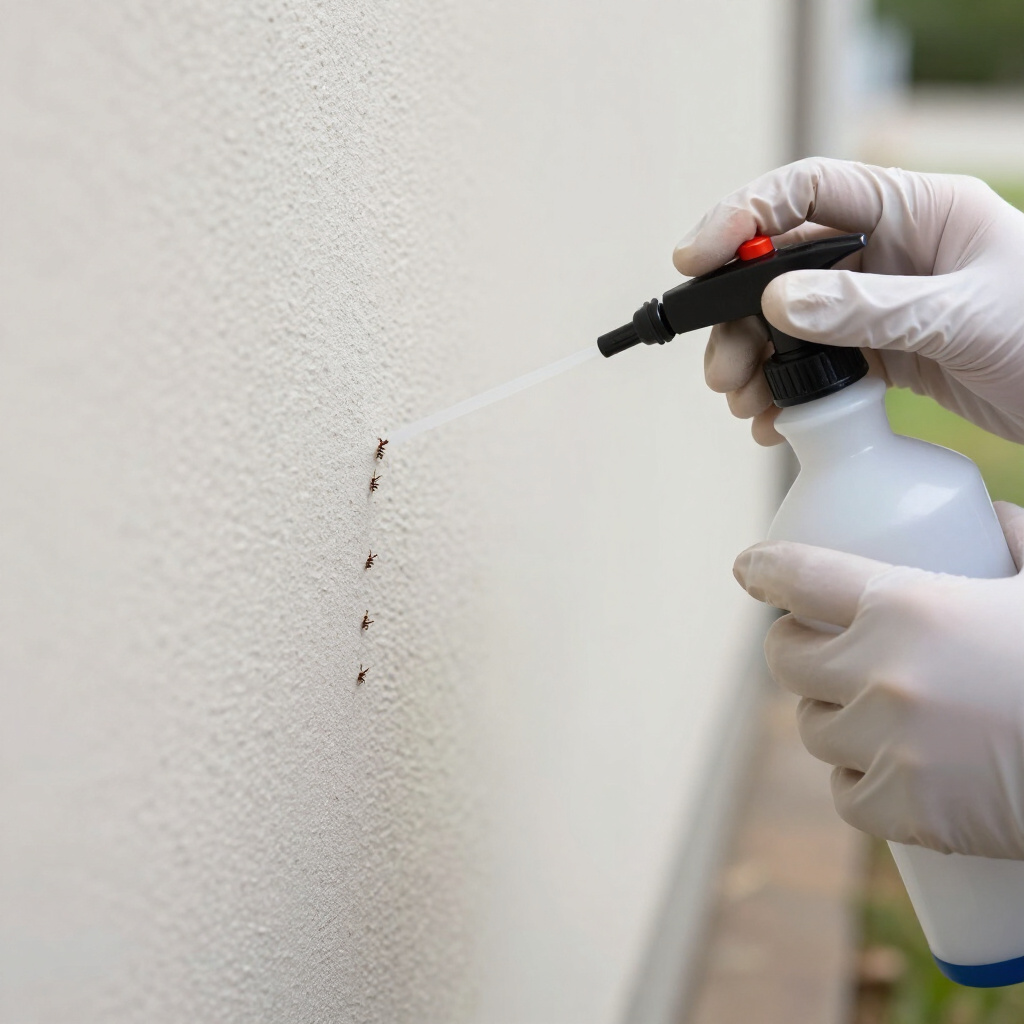

There's nothing quite like the unsettling moment of spotting a cockroach scurrying across your kitchen floor or waking up to mysterious bites you can't explain. Household pests are more than just unwelcome guests—they can damage your property, contaminate your food, and even pose health risks to your family. The good news? Most infestations are entirely preventable with the right knowledge and consistent habits. In this guide, we'll walk through the most common household pests and share practical, proven strategies to keep them outside where they belong.
Most Common Household Pests and How to Prevent Them
Understanding which pests you're most likely to encounter is the first step toward effective prevention. Each creature has unique behaviors, preferred hiding spots, and specific attractants that draw them indoors. Let's explore the usual suspects and what makes your home appealing to them.
Ants are perhaps the most frequent invaders, marching in seemingly endless lines toward food sources. They're particularly drawn to sugary spills, crumbs, and pet food left out overnight. Different species present different challenges—carpenter ants can damage wood structures, while odorous house ants simply contaminate food. Prevention starts with impeccable cleanliness: wipe counters daily, store food in sealed containers, and address moisture issues like leaky faucets that attract them.
Cockroaches thrive in warm, humid environments with access to food and water. These nocturnal pests squeeze through incredibly small cracks and multiply rapidly once established. Beyond the visceral disgust factor, they spread bacteria and can trigger asthma and allergies. Eliminate their hiding spots by decluttering, especially in kitchens and bathrooms. Seal gaps around pipes, install door sweeps, and never leave dirty dishes overnight.
Rodents—mice and rats—seek shelter, food, and nesting materials, particularly as seasons change. They gnaw through wires (creating fire hazards), contaminate surfaces with droppings, and reproduce at alarming rates. Look for telltale signs: droppings, gnaw marks, scratching sounds in walls, or greasy rub marks along baseboards. Store pantry items in metal or thick plastic containers, keep firewood away from your foundation, and trim tree branches that provide roof access.
Termites work silently, often causing extensive damage before you notice their presence. These wood-destroying insects need moisture and cellulose materials to survive. Reduce their appeal by maintaining proper drainage around your foundation, keeping mulch at least six inches from your home's exterior, and promptly repairing any wood-to-soil contact. Annual professional inspections are invaluable for early detection.
Spiders typically enter pursuing other insects, so their presence often signals a broader pest issue. While most household spiders are harmless, species like brown recluses and black widows require caution. Reduce spider populations by eliminating their prey sources, removing webs promptly, and sealing entry points around windows and doors.
Bed bugs have made a dramatic resurgence, hitchhiking into homes via luggage, furniture, and clothing. These tiny nocturnal feeders hide in mattress seams, box springs, and cracks near sleeping areas. Prevention requires vigilance: inspect hotel rooms when traveling, launder travel clothes immediately upon return, and carefully examine any secondhand furniture before bringing it home.
Foundation-Level Prevention Strategies
Effective pest control operates on multiple levels simultaneously. Think of your home as a fortress—every potential breach needs attention.
Start with exclusion, the practice of physically blocking entry. Walk your property's perimeter and examine your home's exterior with a critical eye. Caulk cracks in foundations, repair damaged screens, install weather stripping around doors and windows, and cover vents with fine mesh. Even gaps as small as a quarter-inch can admit mice; many insects need far less space.
Moisture management ranks equally important. Most pests require water to survive, and damp conditions create ideal breeding environments. Fix leaky pipes promptly, ensure proper ventilation in bathrooms and attics, clean gutters regularly, and grade your landscape to direct water away from the foundation. Consider using dehumidifiers in chronically damp basements or crawl spaces.
Sanitation eliminates the food sources that sustain pest populations. Develop consistent habits: take garbage out regularly using sealed bins, clean pet food bowls after feeding, sweep floors daily, and wipe up spills immediately. In pantries, rotate stored goods and inspect items periodically for signs of infestation. Outdoors, keep compost bins properly maintained and positioned away from the house.
Key Tips for Long-Term Success
Prevention isn't a one-time project—it's an ongoing commitment that pays dividends in peace of mind and property protection.
Establish a seasonal inspection routine. Each spring and fall, dedicate time to examining your home's exterior, checking storage areas, and evaluating landscaping for pest-conducive conditions. Catching problems early prevents minor issues from becoming major infestations.
Practice smart landscaping. Keep shrubs and tree branches trimmed back from your home's walls and roofline— these serve as highways for pests. Avoid over-mulching directly against foundations, and consider creating a gravel or stone barrier zone that insects find less hospitable to cross.
Know when to call professionals. DIY prevention handles most situations, but certain scenarios demand expert intervention: recurring infestations despite your efforts, signs of termite activity, rodent issues in walls or attics, or any pest problem that affects your family's health and wellbeing. Licensed pest control professionals bring specialized knowledge, targeted treatments, and follow-up monitoring that DIY approaches cannot match.
For most common household pests and how to prevent them, consistency matters more than perfection. A homeowner who seals one gap and maintains decent cleanliness will fare far better than one who performs intensive quarterly blitzes but ignores daily habits.
Final Thoughts
Living pest-free isn't about achieving an impossible sterile environment—it's about making your home unappealing to invaders while remaining comfortable for your family. The strategies outlined here work synergistically: exclusion keeps pests out, moisture management removes their survival requirements, and sanitation eliminates their reasons for staying.
Begin with an honest assessment of your current habits and home conditions. Address the highest-impact improvements first—sealing obvious entry points, fixing moisture problems, and tightening food storage practices. From there, build sustainable routines that maintain your defenses year-round.
Remember that pest pressure varies by geography, season, and individual property characteristics. What works perfectly for a suburban home may need adaptation for rural settings or multi-family dwellings. Stay observant, act promptly when you notice signs of activity, and don't hesitate to partner with professionals when situations exceed your comfort level or expertise.
Your home should be a sanctuary, not a shared space with uninvited wildlife. With informed prevention and consistent effort, it can remain exactly that.