

Ants are among the most persistent household pests, capable of turning your kitchen counter into a highway overnight and establishing colonies that seem impossible to eliminate. The good news? Most ant invasions are entirely preventable with the right combination of diligence, smart habits, and strategic home maintenance. Whether you're dealing with tiny sugar ants marching toward a spilled drink or wood-destroying carpenter ants exploring your foundation, understanding how to prevent ants from invading your home will save you frustration, protect your property, and keep your living spaces clean and comfortable year-round.
How to Prevent Ants From Invading Your Home Through Eliminating Food Sources
Ants enter homes for one primary reason: food. Worker ants leave scent trails that guide entire colonies to reliable nutrition sources, which means a single crumb can quickly become a full-scale invasion. Breaking this cycle starts with rigorous kitchen hygiene and food storage practices.
Store all pantry items—especially sweets, grains, and pet food—in airtight containers made of glass, metal, or thick plastic. Ants can chew through thin plastic bags and cardboard, so flimsy packaging won't stop determined foragers. Clean your countertops, stovetops, and floors daily, paying special attention to cracks and crevices where crumbs accumulate. Don't forget the spaces beneath appliances, where spills often go unnoticed.
Pet bowls require special attention. Establish set feeding times rather than leaving food out continuously, and clean bowls thoroughly after each meal. Even the residue left behind attracts ants searching for protein and fat sources. Similarly, garbage cans need tight-fitting lids and regular emptying. Rinse recyclable containers before tossing them, as sticky residues from soda bottles or condiment jars act as beacons for foraging ants.
Finally, address moisture that creates favorable conditions. Wipe down sinks after use, fix dripping faucets promptly, and ensure your dishwasher drains completely. Some ant species seek water as actively as food, particularly during dry periods.
Seal Entry Points and Fortify Your Home's Defenses
Ants are remarkably resourceful at finding access points, squeezing through gaps as small as one millimeter—roughly the thickness of a credit card. A thorough perimeter inspection and sealing effort dramatically reduces opportunities for entry.
Begin by examining your home's exterior foundation, paying close attention to where utility lines enter. These penetrations often have gaps around pipes, cables, and conduits that ants exploit. Seal openings with silicone caulk for smaller gaps or steel wool combined with caulk for larger spaces. Steel wool frustrates chewing attempts, while the caulk creates a durable barrier.
Inspect window and door frames for deteriorated weatherstripping, damaged screens, and gaps between frames and walls. Replace worn seals and add door sweeps to exterior doors, including basement and garage entries that homeowners frequently overlook. Check for cracks in your foundation and repair deteriorating mortar in brick or stone walls.
Landscaping choices significantly impact ant pressure against your home. Maintain a vegetation-free zone of at least twelve inches around your foundation—mulch, leaf litter, and dense plantings provide ideal nesting sites and concealed pathways to your walls. Trim tree branches and shrubs so they don't contact your roof or siding, as these serve as bridges that bypass ground-level defenses entirely.
Manage moisture around your foundation by ensuring gutters direct water well away from walls, grading soil to promote drainage, and addressing any pooling issues promptly. Damp wood and soil attract many ant species, including the destructive carpenter ants that excavate galleries in structural lumber.
Key Tips for Long-Term Ant Prevention Success
Effective ant prevention combines immediate actions with ongoing vigilance. Implement these proven strategies to maintain protection throughout the seasons:
Deploy strategic deterrents. Natural repellents like diatomaceous earth create abrasive barriers that damage ants' exoskeletons, causing dehydration. Apply food-grade diatomaceous earth along foundation walls, behind appliances, and in known traffic areas. Refresh after rain or heavy cleaning. Vinegar solutions disrupt scent trails when sprayed along ant paths, though this addresses symptoms rather than preventing new exploration.
Maintain outdoor attractants. Keep garbage bins away from your home's walls and clean them periodically to remove residue. Compost piles should be properly managed and positioned distant from structures. Fallen fruit from trees, spilled birdseed, and outdoor pet food all concentrate ant activity near your home.
Monitor proactively. Regular inspections catch problems before they escalate. Check basements, crawl spaces, and attics seasonally for moisture issues, wood debris, or ant activity. Early spring represents prime scouting season—heightened awareness during this period prevents summer infestations.
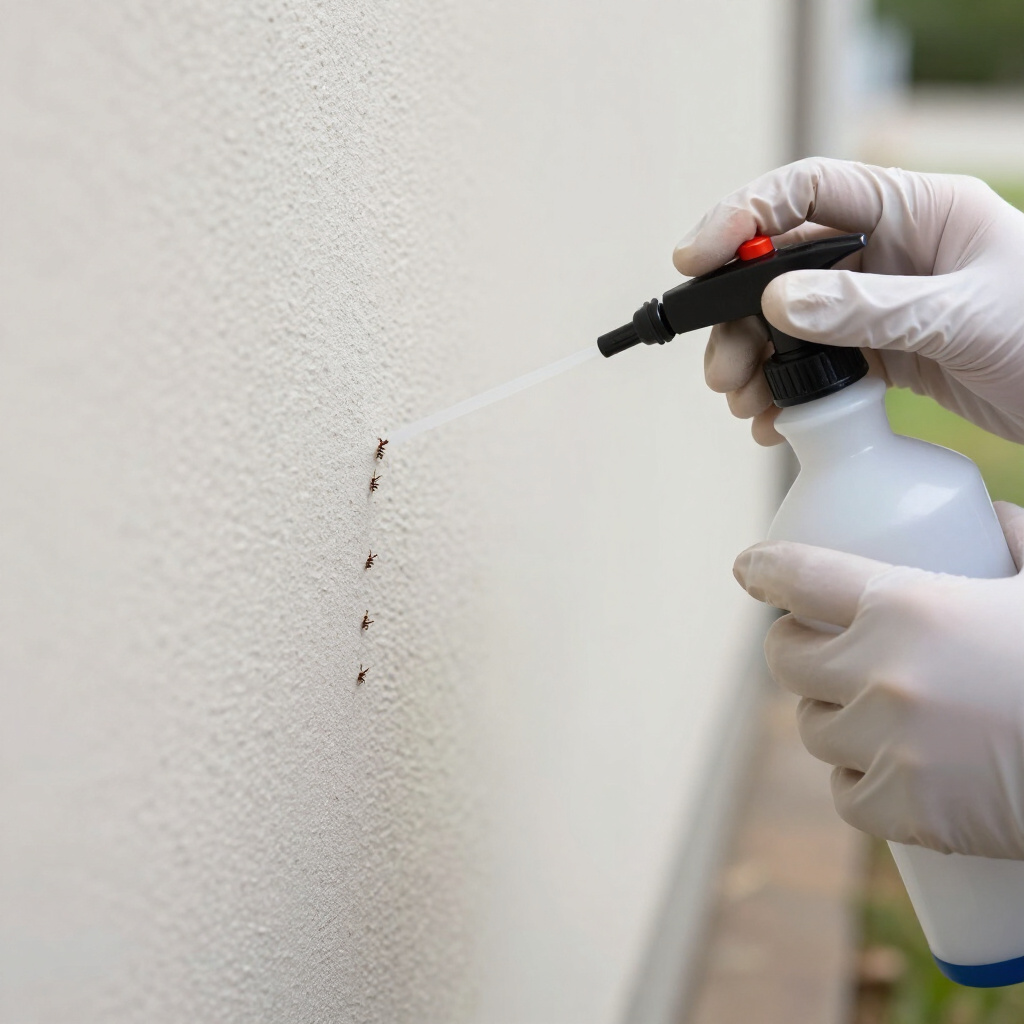
Resist DIY elimination shortcuts. When you spot occasional invaders, reaching for over-the-counter sprays often worsens the situation. These products kill visible workers but typically repel colonies, causing them to fragment and establish multiple new nests. Bait products work more effectively by allowing workers to transport slow-acting toxins to the colony, but proper identification and placement require expertise for optimal results.
Know when professional intervention becomes necessary. Recurring invasions, multiple simultaneous entry points, or any indication of carpenter ant activity warrant professional assessment. Pest control specialists identify species accurately, locate hidden nests, and implement targeted treatments that resolve underlying issues rather than managing symptoms repeatedly.
Final Thoughts
Ant prevention succeeds through consistency rather than dramatic interventions. The homes that remain ant-free year after year belong to homeowners who combine meticulous cleanliness with proactive maintenance and strategic exclusion efforts. By eliminating what attracts ants, blocking how they enter, and maintaining vigilance against changing conditions, you create an environment where these persistent pests simply have no reason to stay.
Remember that prevention demands less time, money, and stress than responding to established infestations. The habits you develop today—proper food storage, prompt spill cleanup, regular perimeter inspections, and moisture management—compound into lasting protection. Should you encounter persistent challenges despite your best efforts, professional pest control services offer the specialized knowledge and tools to identify and resolve complex ant issues at their source, restoring your peace of mind and keeping your home truly yours.