

There's something uniquely unsettling about walking into a room and spotting a spider dangling from the ceiling or scurrying across the floor. While most household spiders are harmless and even help control other pests, that knowledge rarely calms the instinctive reaction many of us feel. If you're tired of sharing your living space with eight-legged roommates, the good news is that keeping spiders out of your house is entirely achievable with the right approach. It comes down to understanding why they're coming inside in the first place and systematically removing their incentives to stay.
How to Keep Spiders Out of Your House by Sealing Entry Points
Spiders don't need much space to slip inside. A gap the width of a pencil is plenty for many common species. The most effective long-term strategy starts with making your home physically difficult to enter, which means becoming something of a detective about cracks, gaps, and openings.
Begin with a thorough exterior inspection. Check around windows and doors for deteriorating weatherstripping, and replace anything that's cracked or compressed. Examine the frames themselves—wood can warp and create gaps over time. Door sweeps on exterior doors are especially important; spiders often enter at ground level, and a proper sweep blocks that highway entirely.
Don't overlook utility penetrations. Where pipes, cables, and vents pass through walls, there's often space left around them. Seal these with appropriate materials: caulk for smaller gaps, steel wool combined with foam sealant for larger openings (steel wool discourages rodents too, which is a bonus). Foundation cracks deserve attention as well—use masonry caulk or epoxy filler depending on the size and type.
Vents and chimneys need screens with mesh fine enough to exclude spiders. Standard hardware cloth with quarter-inch mesh works well, though you may want finer mesh in areas with tiny spider species. Just ensure any covering still allows proper airflow.
Remove What's Bringing Them Indoors
Here's a perspective shift that helps: spiders aren't typically entering your home for shelter alone. They're following food. An environment rich with flying insects, ants, or other small prey will attract spiders regardless of how well-sealed your home might be. Address the prey, and you dramatically reduce spider pressure.
Outdoor lighting is a major factor. Insects swarm around bright lights at night, and spiders build webs nearby to capitalize on this buffet. Switch to yellow-tinted "bug lights" or, better yet, move lighting away from doorways and windows. Motion-activated fixtures reduce overall illumination time while still providing security.
Moisture management matters too. Spiders and their prey both gravitate toward damp areas. Ensure gutters drain properly, direct downspouts away from your foundation, and fix any outdoor faucets that drip. Inside, use exhaust fans in bathrooms and kitchens, and consider a dehumidifier for persistently damp basements or crawl spaces.
Landscaping choices influence spider populations near your home. Dense shrubs, stacked firewood, and thick mulch right against your foundation create ideal harborage. Create a buffer zone of at least twelve inches between vegetation and your walls. Store firewood off the ground and away from the house, and keep it covered and dry.
Inside, general cleanliness helps. Regular vacuuming removes both spider webs and the insect debris that can sustain tiny prey species. Pay special attention to corners, behind furniture, and in seldom-used rooms. Clutter provides hiding spots for spiders and the insects they eat, so periodic decluttering is genuinely pest-control work, not just housekeeping.
Key Tips for Ongoing Spider Prevention
Consistency beats intensity when it comes to spider management. A few targeted habits maintained year-round outperform dramatic annual cleanouts.
Inspect and refresh your seals seasonally. Weatherstripping degrades, caulk shrinks and cracks, and new gaps appear as homes settle. A quick walk-around each spring and fall catches problems before they become spider superhighways.
Manage your home's microclimate. Beyond dehumidification, ensure attics and crawl spaces have adequate ventilation. These forgotten zones often become spider strongholds because they're undisturbed, dark, and frequently humid. Proper airflow makes them less appealing.
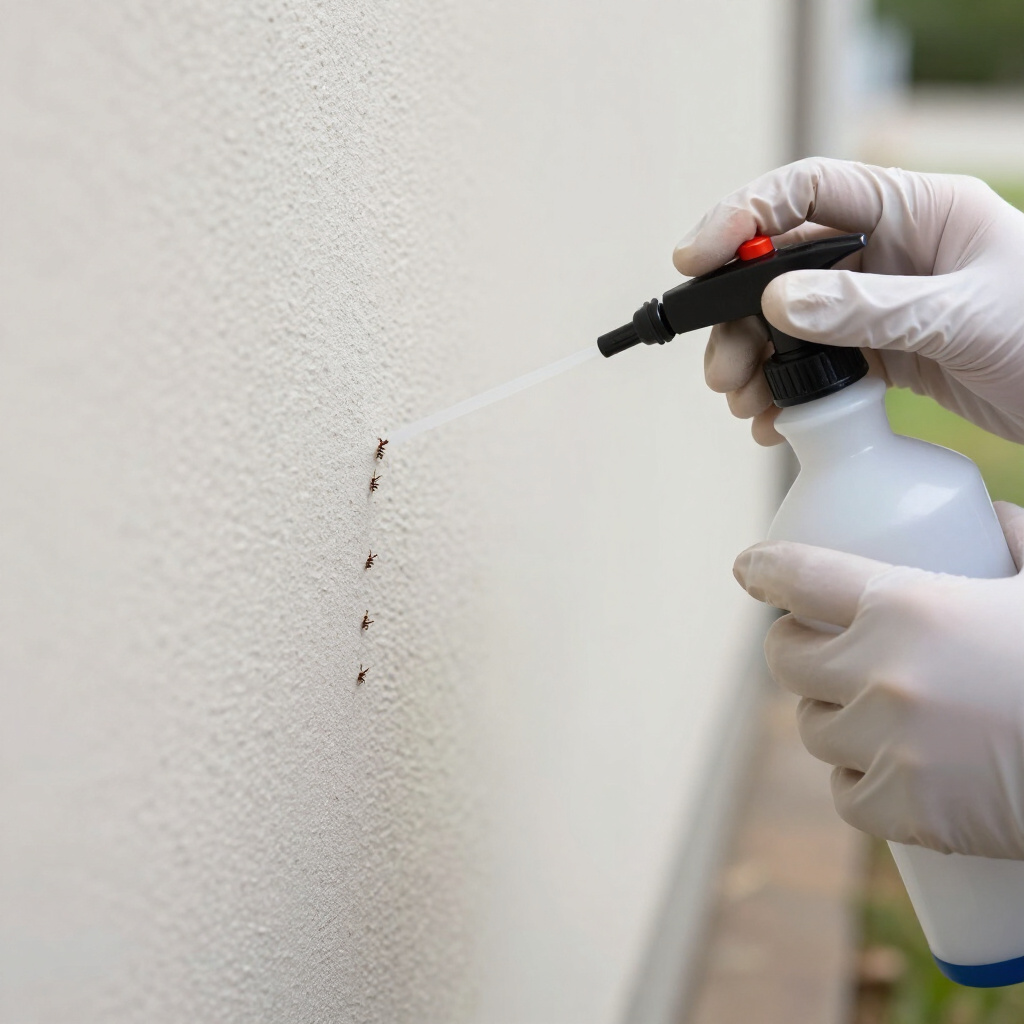
Be selective about pesticide use. Perimeter sprays can help when applied professionally to foundation walls and entry points, but indiscriminate interior spraying is rarely necessary and often counterproductive. Many over-the-counter foggers drive spiders deeper into hiding without resolving why they're present. If you do use products, target specific harborages rather than broadcasting chemicals.
Natural deterrents have modest value. Essential oil sprays containing peppermint, tea tree, or eucalyptus enjoy popularity online, and while some homeowners report success, these require frequent reapplication and don't address underlying attractants. Think of them as minor supplemental measures, not solutions.
Address other pest problems promptly. If you're seeing numerous spiders, ask what they're eating. A sudden spider increase often signals an unnoticed ant infestation, emerging drain flies, or some other prey source that deserves its own treatment.
For persistent or concerning spider species—particularly in regions with venomous varieties like black widows or brown recluses—professional identification and targeted control becomes wise. Not every spider requires intervention, but misidentification can lead to either unnecessary worry or inadequate caution.
Final Thoughts
Learning how to keep spiders out of your house ultimately means thinking like a spider: where would you enter, what would attract you, and where would you hide? The homes that stay consistently spider-free combine physical exclusion with environmental management, removing both access and motivation. It's not about achieving absolute spider-zero—that's neither realistic nor ecologically desirable—but about maintaining boundaries that keep your living spaces comfortable for humans.
Start with the structural work: seal, screen, and secure. Then shift to the environmental factors that draw prey and create spider-friendly conditions. Maintain these efforts with seasonal attention rather than panic response. With patience and thoroughness, you'll find that spider encounters become rare events rather than regular surprises, and you can reclaim your home with confidence rather than chemicals.