
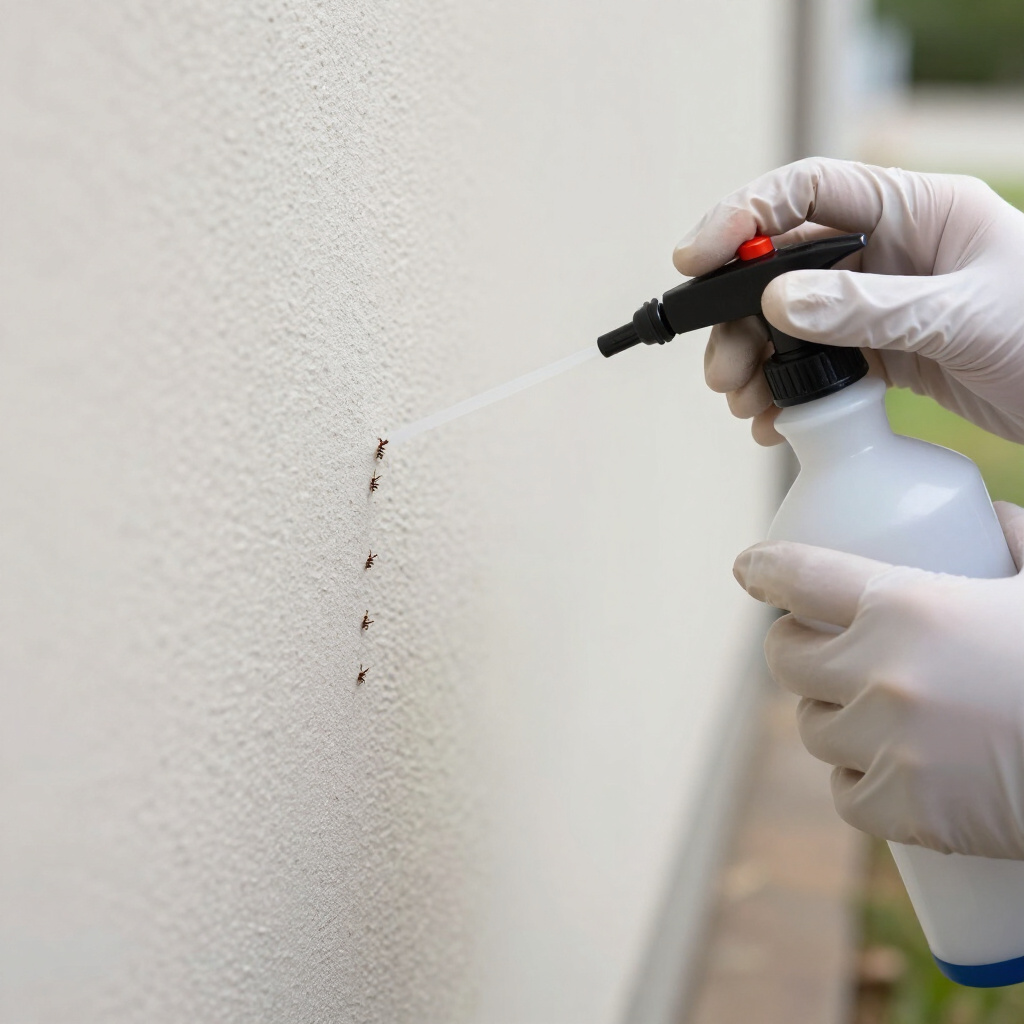
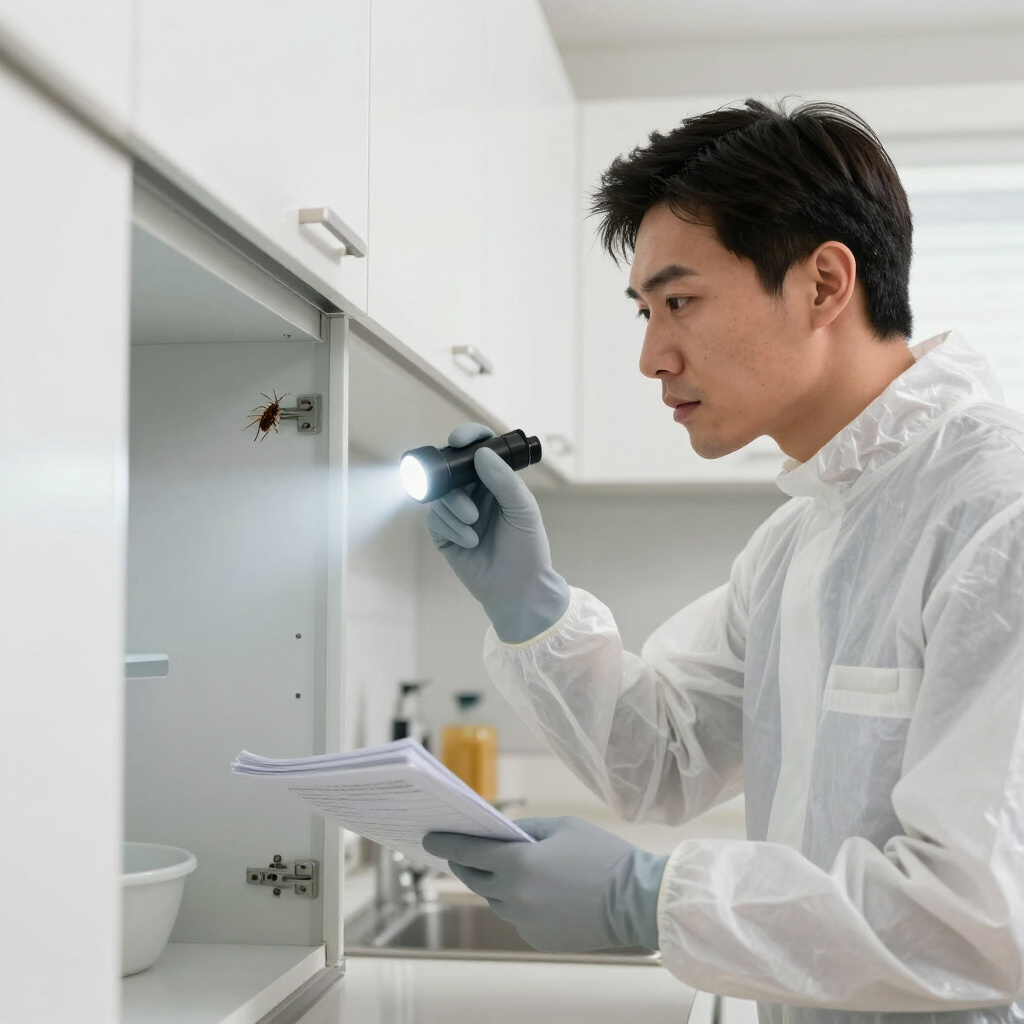
Discovering cockroaches scurrying across your kitchen floor at midnight is enough to make anyone's skin crawl. These resilient pests multiply quickly, contaminate food, and can trigger allergies and asthma. The good news? You don't have to live with them. Whether you're dealing with a few stragglers or a full-blown infestation, this guide will show you exactly how to get rid of cockroaches fast and reclaim your home.
How to Get Rid of Cockroaches Fast with Immediate Action
Speed matters when you're battling roaches. These insects reproduce at alarming rates, so delaying treatment only gives them time to establish larger populations. Start your counterattack the same day you spot the first intruder.
Begin with a thorough deep clean. Remove all food sources by storing pantry items in airtight containers, wiping down counters every evening, and never leaving dirty dishes in the sink overnight. Sweep and vacuum floors daily, paying special attention to crumbs under appliances and inside cabinets. Don't forget to clean the often-neglected areas: the drip pan under your refrigerator, the toaster crumb tray, and grease buildup behind the stove.
Next, eliminate water sources. Cockroaches can survive weeks without food but only days without water. Fix leaky faucets, tighten loose pipe connections, and dry out sinks before bed. Even condensation on cold water pipes can sustain a colony, so consider insulating them or improving ventilation in humid areas like bathrooms and basements.
For rapid knockdown of visible roaches, use a combination approach. Vacuum any roaches you see immediately—this physically removes them and their egg cases. Then apply targeted treatments in the areas where they hide and travel.
Choose the Right Treatment Methods for Your Situation
Not all cockroach treatments work equally well, and the best approach depends on your infestation level and household circumstances.
Gel baits are among the most effective tools for getting rid of cockroaches fast. Applied as small dots in cracks, crevices, and along baseboards, these slow-acting poisons allow roaches to return to their harborage and share the toxicant with the entire colony. Place bait stations under sinks, behind appliances, in cabinet corners, and near garbage areas. Avoid spraying insecticide near bait placements, as this can repel roaches and make the bait ineffective.
Insect growth regulators (IGRs) work differently by preventing immature roaches from reaching adulthood. These don't kill adults directly but break the reproduction cycle, making them invaluable for long-term control. Many professional-grade baits now include IGRs for comprehensive management.
Boric acid dust remains a time-tested solution. Applied thinly in wall voids, under appliances, and in other inaccessible spaces, it clings to roach bodies and is ingested during grooming. Use caution: boric acid loses effectiveness when wet or applied too thickly, and it should be kept away from children and pets.
Diatomaceous earth offers a lower-toxicity alternative. This fine powder abrades the waxy coating on roach exoskeletons, causing fatal dehydration. Food-grade versions are safer for homes with pets, though all mechanical dusts require dry conditions to work properly.
For severe infestations, aerosol insecticides with crack-and-crevice tips can flush roaches from hiding spots. Use these sparingly and strategically—they're contact killers that don't provide residual protection and can drive roaches deeper into walls if overapplied.
Key Tips for Preventing Reinfestation
Eliminating current roaches is only half the battle. Keeping them gone requires persistent attention to exclusion and sanitation.
Seal every possible entry point. Roaches can squeeze through gaps as thin as a dime. Inspect and caulk around pipes under sinks, seal gaps where utilities enter walls, install door sweeps, and repair torn window screens. Don't overlook drains—cover unused ones with stoppers or fine mesh, as sewer lines often serve as highways for American cockroaches.
Manage your home's exterior to reduce pressure from outside populations. Keep garbage in sealed bins, remove leaf litter and mulch from foundation walls, and trim tree branches and shrubs that touch your house. Store firewood at least twenty feet away and elevate it off the ground.
Monitor continuously with glue boards placed in suspect areas. These simple traps reveal where roaches are still active and help you gauge whether your treatment is working. A sudden increase in trapped roaches often indicates a new harborage or entry point.
Be patient with baits even when you're eager to get rid of cockroaches fast. It typically takes several days to see significant reduction and two to four weeks for complete colony elimination. Resist the urge to spray over bait placements or switch products prematurely.
Know when to call professionals. If you're seeing roaches during daylight hours, finding egg cases in multiple rooms, or still spotting activity after six weeks of diligent self-treatment, the infestation likely extends into wall voids or neighboring units. Licensed pest control technicians have access to commercial-grade insecticides, specialized application equipment, and the expertise to identify hidden harborage areas that DIY efforts miss.
Final Thoughts
Getting rid of cockroaches fast demands a smart combination of sanitation, strategic treatment placement, and persistent prevention. Start with rigorous cleaning to remove what attracts them, apply targeted baits and dusts where they hide, then seal your home against future invaders. Remember that speed in execution matters more than speed in results—the most effective treatments work through colony-wide transfer and may take days to show their full impact.
Stay consistent, resist the temptation to over-treat with repellent sprays, and monitor your progress. With the right approach, you can transform your home from a roach-friendly environment to one where these persistent pests simply cannot survive. Your midnight kitchen encounters can become a thing of the past.